
In 2026, processors, memory, and third-generation semiconductors will usher in a new wave!
At CES 2026, AI technology is no longer just a concept, but has penetrated every corner of computing infrastructure and edge devices. From data centers to AI PCs, the competition among major tech companies for performance and energy efficiency is becoming increasingly fierce. At the same time, driven by AI, applications such as avatars, AI glasses, and smart cars are flourishing.
In the semiconductor field, processors, memory, and third-generation semiconductors performed actively. Global Semiconductor Watch learned that a host of manufacturers, including AMD, Nvidia, Intel, Qualcomm, SK Hynix, Samsung, SanDisk, Kioxia, and ROHM, showcased their latest products and technological solutions, bringing a new technological landscape to global consumers and businesses around the themes of "AI implementation" and "energy efficiency transformation."
01 Processors: Breakthrough in Manufacturing Processes, Significantly Enhanced Computing Power
At this year's CES, major processor manufacturers were competing on two fronts: the data center and the consumer market. AI computing power, advanced manufacturing processes, and architectural designs garnered significant attention.
AMD showcased its Helios rack-mount platform, demonstrating its chip technology across hyperscale data centers and edge devices, and also introduced the Ryzen AI Max+ processor.
The Helios rack-mount platform delivers up to 3 Exaflops of AI computing power. This platform integrates the latest Instinct MI455X GPU and EPYC "Venice" CPU. The MI455X uses a hybrid 2nm and 3nm chiplet process, boasts 320 billion transistors, and offers 10 times the performance of its predecessor. Furthermore, AMD previewed the MI500 series based on the CDNA 6 architecture, which is expected to further significantly enhance AI performance.
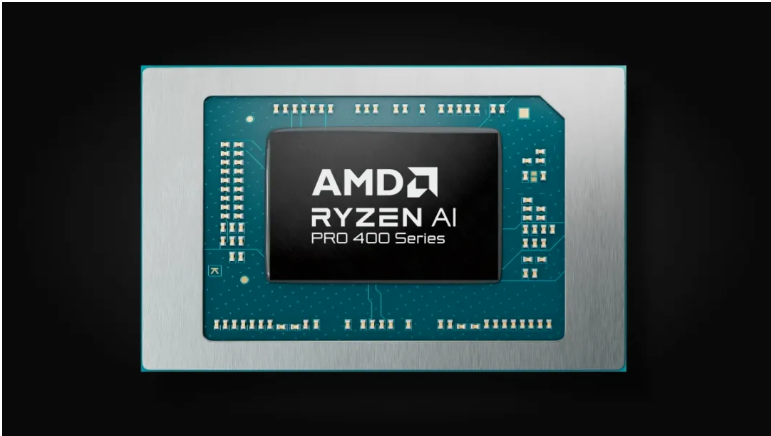
Image source: AMD
In the consumer market, AMD launched the Ryzen AI Max+ processor, equipped with 128GB of unified memory, supporting creators to run large models with 128 billion parameters without an internet connection. Related products will be available in the first quarter of 2026.
At this exhibition, NVIDIA CEO Jensen Huang confirmed that the next-generation Rubin AI computing platform has officially entered production. The Rubin platform includes six new chips: Vera CPU, Rubin GPU, sixth-generation NVLink and NVLink switches, ConnectX-9 Spectrum-X super network interface chip, BlueField-4 DPU, and Spectrum-6 Ethernet switch chip, designed to address the massive model training needs.
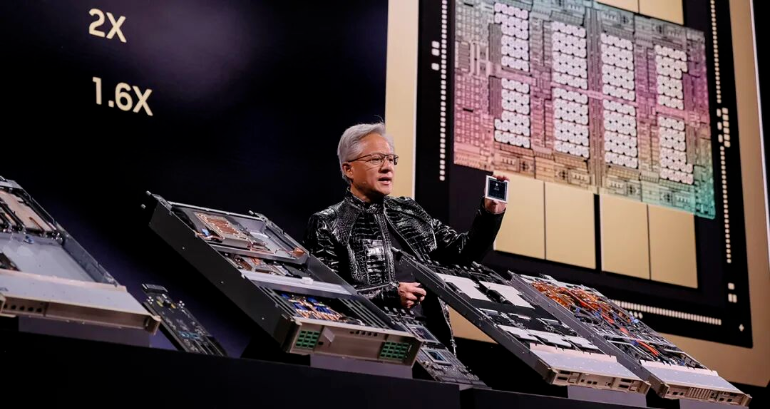
Image source: NVIDIA
In the automotive sector, NVIDIA launched the NVIDIA Alpamayo series of open-source AI models, simulation tools, and datasets, aiming to promote the development of safe and reliable inference-based assisted driving vehicles.
In addition, NVIDIA also released several open-source models for robotics and autonomous driving, including Cosmos and Nemotron.
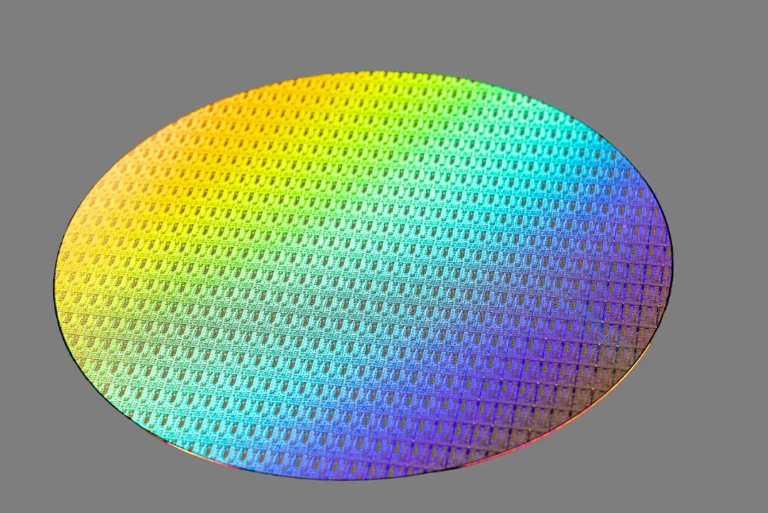
Intel officially released its first consumer-grade chip manufactured using the Intel 18A (1.8nm-class) process—the Panther Lake mobile processor. This processor boasts a 77% improvement in graphics performance and significantly optimized battery life, offering up to 27 hours of video playback.
(Image source: Intel)
Qualcomm launched the Snapdragon X2 Elite and X2 Plus processors, featuring the third-generation Oryon CPU architecture and an NPU computing power of 80 TOPS, emphasizing multi-day battery life and always-on AI connectivity. Qualcomm also released the Dragonwing IQ10, an end-to-end robotics chip designed to empower various automated devices.
02 Memory: HBM4 Debuts, SSD Upgrades
With the explosive growth of AI computing power, the importance of memory is increasingly prominent. High bandwidth and large capacity became two key words for memory manufacturers at CES 2026, with HBM and QLC SSDs attracting considerable attention.
SK Hynix showcased its 16-layer stacked HBM4 memory with a capacity of 48GB, becoming a key support for next-generation AI accelerators. In addition, they showcased the low-power SOCAMM2 module designed specifically for AI servers.
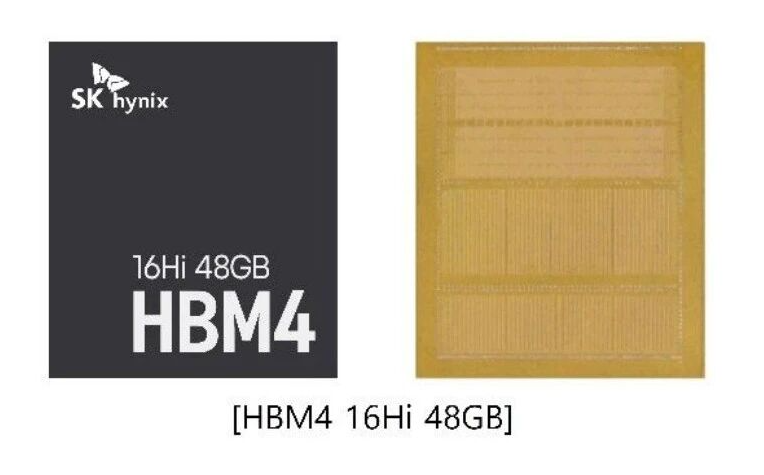
Image source: SK Hynix
Samsung warned of memory supply shortages driven by AI at the exhibition and confirmed that the Galaxy S26 series will come standard with 16GB LPDDR5x memory to meet the needs of edge AI.
SanDisk officially announced a new branding system for its SSD series—SANDISK Optimus. The standard version targets creative professionals, balancing speed and cost-effectiveness; it was formerly the WD Blue® series. The GX gaming version targets gamers, emphasizing fast loading and high energy efficiency; it was formerly the WD_BLACK™ mainstream model. The GX PRO flagship version targets professionals and high-end gamers, suitable for AI computers, workstations, and other scenarios; it was formerly the WD_BLACK™ high-end model.
Micron released the industry's first PCIe Gen5 QLC client SSD—the Micron 3610. This product boasts sequential read speeds of up to 11,500 MB/s, aiming to make high-speed Gen5 storage a standard feature in AI PCs with lower power consumption and cost.
Kioxia showcased its BG7 series SSDs, featuring 8th generation BiCS FLASH and CBA technology. These SSDs boast random read/write speeds of up to 1,000,000 IOPS and sequential read speeds of up to 7,000 MB/s, representing a performance improvement of approximately 10% to 16% compared to the previous generation KIOXIA BG6 series. Furthermore, this series enhances storage cell performance through CBA technology, combined with high-efficiency control circuitry and an optimized SSD controller, resulting in approximately 67% improvement in sequential write energy efficiency.
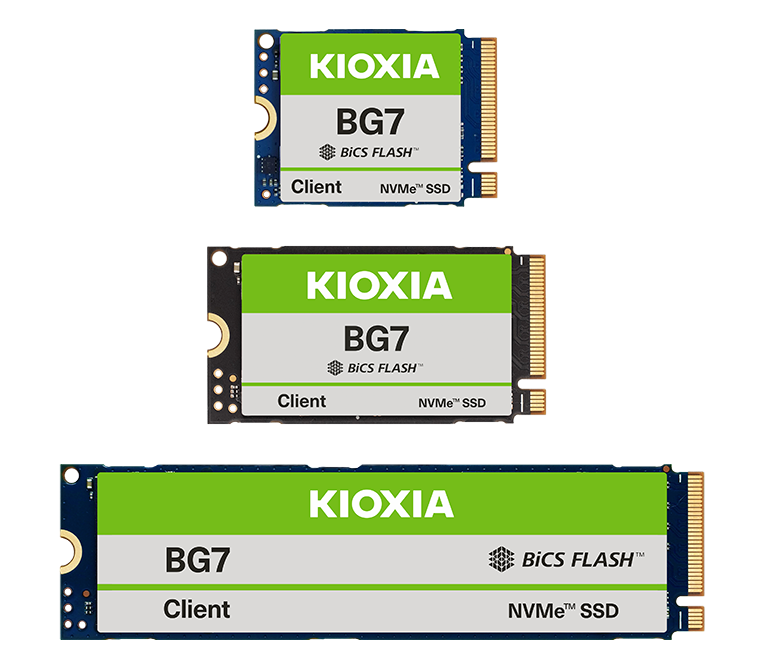
Image source: Kioxia
03 Third-Generation Semiconductors: An Energy Efficiency Revolution, Betting on Data Centers and Automobiles
Faced with the increasingly severe power consumption challenges of AI data centers and electric vehicles, third-generation semiconductor technologies, represented by silicon carbide and gallium nitride, shone brightly at CES 2026.
Bosch highlighted its AI-driven hardware and software convergence solutions, covering mobility, smart homes, industrial manufacturing, and semiconductor sensors. Among them, SiC Trench MOSFETs are a new generation of dual-channel silicon carbide MOSFETs (1200V and 750V), improving the efficiency, power density, and reliability of electric vehicles.
Texas Instruments (TI) demonstrated its GaN power solutions at the exhibition, employing 650V bidirectional GaN devices to achieve a single-level topology, significantly improving the power density and energy efficiency of server power supplies. In addition, TI showcased a humanoid robot servo control solution using integrated GaN FET devices, achieving 55A of continuous current output within a package of only 4.5 x 5.5mm. This high power density design allows for more compact robot joints, freeing up space for more functional modules.
Rohm Semiconductor exhibited at CES 2026 and stated on its website that the company is moving towards a more energy-efficient and connected future. From high-performance silicon carbide (SiC) and gallium nitride (GaN) power devices for xEVs and energy infrastructure, to cutting-edge analog and sensor solutions for industrial and consumer electronics, the company supports next-generation designs with high performance and miniaturization.
At this exhibition, STMicroelectronics showcased the Pagani Utopia supercar, marking Pagani's first close and direct collaboration with a semiconductor company. ST stated that Pagani held a workshop meeting with ST's team in Milan, Italy, and chose to partner with them, partly due to ST's broad product range. Pagani experienced firsthand ST's leading position in sensors, automotive MCUs, power equipment, connectivity, wide bandgap technologies, and manufacturing.
04 Chinese Manufacturers Go Global: Embossed Intelligence, AI Glasses, and More Shine
Nearly 900 Chinese companies participated in the exhibition, showcasing both traditional home appliance giants like TCL, Hisense, and Changhong, and emerging technology companies such as Unitree Robotics, Zhuji Power, Pacini, Fourier Transform, Thunderbird Technology, and Black Sesame Technologies. Their exhibits focused on home appliances, autonomous driving, embodied intelligence, and AI glasses.
Among the exhibitors, Unitree Robotics showcased its Rover X1 quadruped robot dog, designed for home and industrial scenarios, featuring capabilities for navigating complex terrain, light-load transportation, and intelligent interaction. Fourier Robotics launched its next-generation full-size humanoid robot, the GR-3, equipped with 55 degrees of freedom and supporting human-like body language. Thunderbird Innovations unveiled the industry's first binocular full-color AR glasses with an integrated eSIM communication module, enabling functions such as making phone calls, multimodal AI dialogue, and real-time cross-language translation without relying on a smartphone.
In the semiconductor sector, numerous companies, including Black Sesame Technologies, Horizon Robotics, Longsys, Biwin Memory, Rockchip, and Allwinner Technology, participated in CES 2026, covering storage, AI chips, and IoT.
Black Sesame Technologies, a participant for five consecutive years, showcased its latest achievements in assisted driving and embody intelligence. Its flagship product, the Huashan A2000 chip, is designed for L3+ level autonomous driving, equipped with a Jiushao NPU, and its tested performance rivals top global competitors; it has already entered the global market.
Wudang series chips are dedicated to cross-domain computing. The Wudang C1296 cockpit-driving integrated mass-production solution made its overseas debut. This solution, jointly developed by Dongfeng Motor and Junlian Zhixing, uses the C1296 single chip to realize functions such as digital instruments, smart cockpits, and intelligent assisted driving. In addition, Black Sesame Technologies also showcased the industry's first robot-dedicated computing platform, SesameX, for the first time overseas, providing "whole-brain" computing capabilities for humanoid robots.
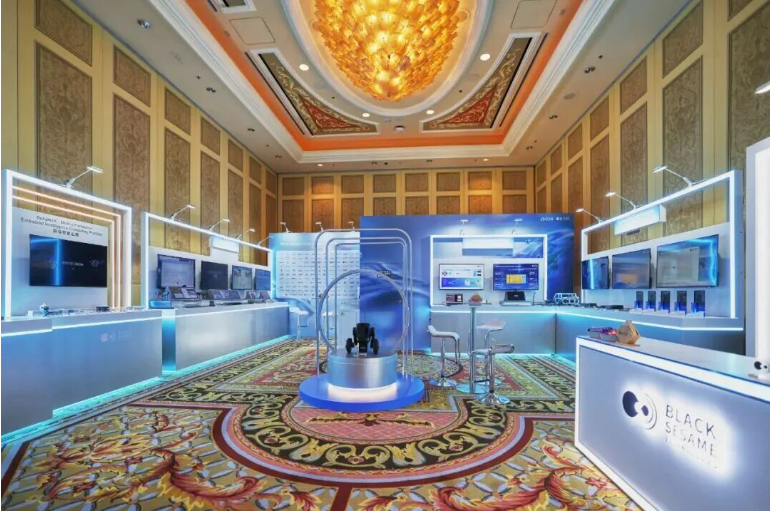
Image source: Black Sesame Technologies
Biwing Storage showcased the Amber ME300 microSD Express memory card and Mini SSD storage solutions. The ME300 memory card complies with the SD 7.1 specification and offers capacities of 256GB/512GB/1TB, with sequential read speeds up to 900MB/s and write speeds up to 800MB/s. The company also showcased a miniaturized storage module customized for AI/AR glasses, leveraging its integrated R&D and packaging advantages to meet the lightweight storage needs of emerging smart terminals.
In conclusion, observing the semiconductor trends at CES 2026, it's clear that AI technology is rapidly expanding from large-scale model training in the cloud to edge computing, particularly in PCs, automobiles, and robotics. To support this massive computing power demand, processor manufacturing processes are constantly pushing physical limits, memory bandwidth is increasing exponentially, and third-generation semiconductors are providing efficient power guarantees behind the scenes in this energy-intensive battle. Looking ahead, a comprehensive revolution in hardware infrastructure will be the core driving force behind the democratization and industrialization of AI.

